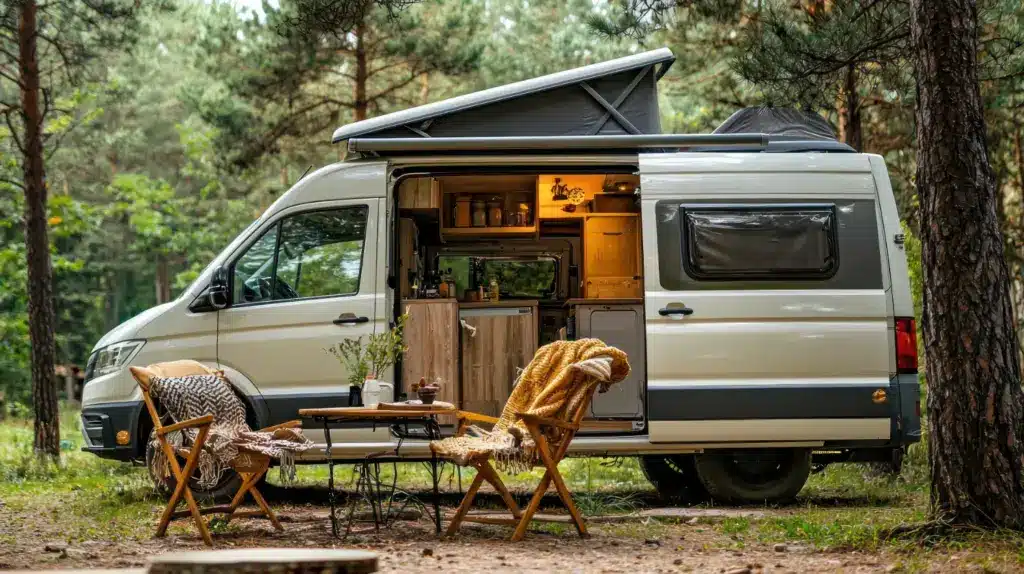
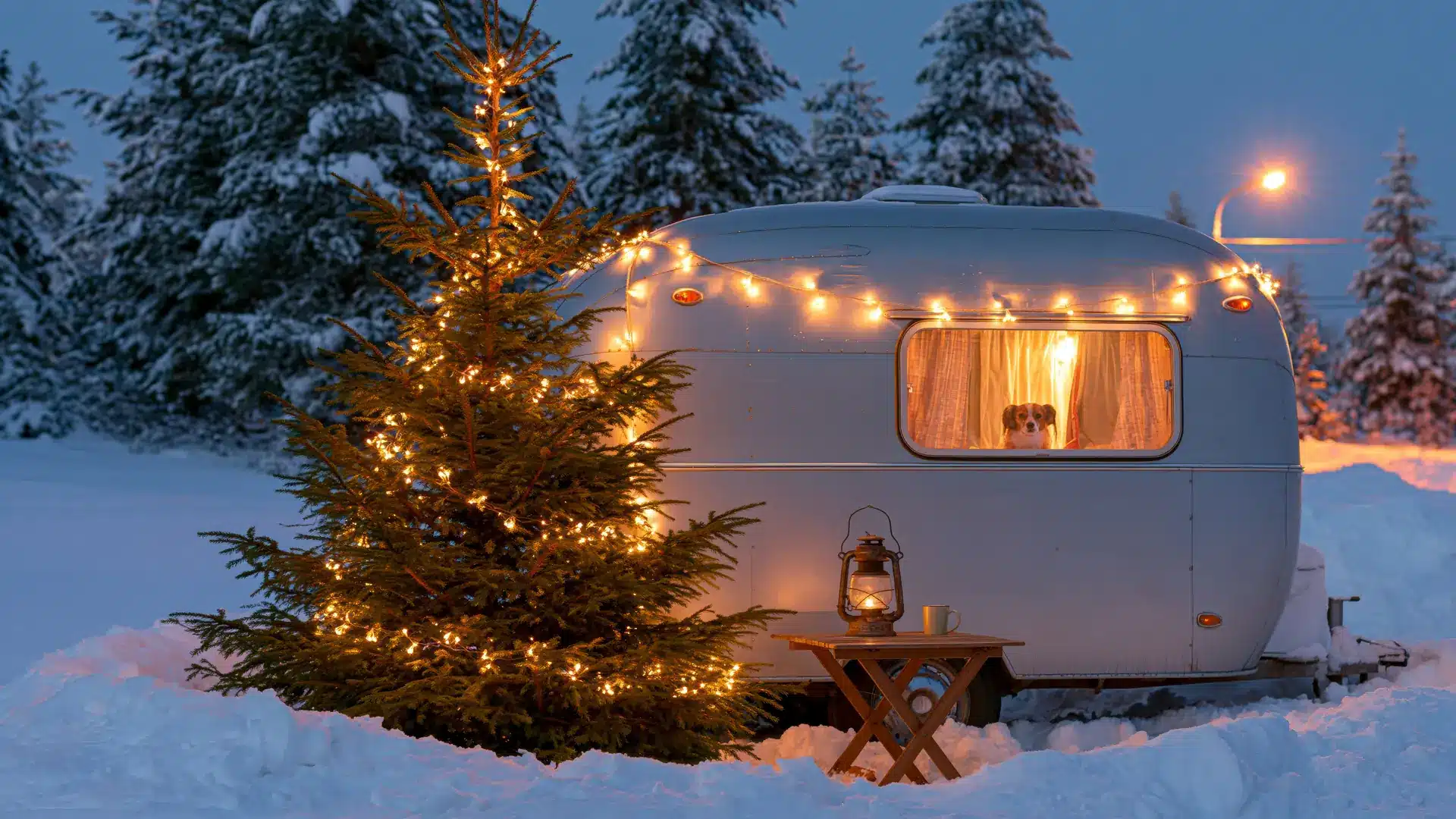
Most RVs in Alberta spend the winter tucked away in storage. But a growing number of owners are discovering that a quiet campground, a fresh layer of snow and a warm rig make for one of the best trips of the year. No crowds, no mosquitoes, and a sky full of stars by five o’clock.
Winter camping is very doable, but it does take more planning than a July long weekend. Cold weather is hard on people, plumbing, batteries and propane supplies alike. These tips will help you stay warm, safe and comfortable, whether you are heading out in a tent, a camper van or a fully equipped fifth wheel.
1. Pick your spot and check conditions before you go
Many campgrounds close for the season or offer only limited winter service, which may mean no water, no dump station and plowed loops only. Check with the campground or with Alberta Parks before you leave, and confirm whether power is available. An electrical hookup makes a huge difference to your comfort and your propane use.
Watch the forecast closely and check highway conditions on 511 Alberta before driving. A trip planned for minus five can look very different at minus thirty. Have a backup plan, and do not be afraid to postpone if a cold snap or storm is moving in.
2. Dress in layers and plan for long, cold nights
The basics apply whether you are in a tent or an RV. Wear a moisture-wicking base layer, an insulating middle layer and a windproof outer shell. Avoid cotton next to your skin, since it holds sweat and chills you quickly. Bring extra socks, a warm hat and spare mitts so you always have a dry set.
In winter, darkness arrives early and stays late. Pack headlamps, extra batteries, games or books, and plan meals that warm you up. Stay hydrated, too. Cold air is dry, and it is easy to drink less water than you need when you are not feeling hot.
3. Make sleeping warm a priority
A good night’s sleep can make or break a winter trip. Use a sleeping bag rated for temperatures colder than you expect, or add wool blankets and a fleece liner to your regular bedding. In an RV, mattresses can pick up cold from below, so an insulating pad or foam topper helps. Change into dry clothes before bed rather than sleeping in the layers you wore all day.
4. RV tip: Know whether your rig is built for the cold
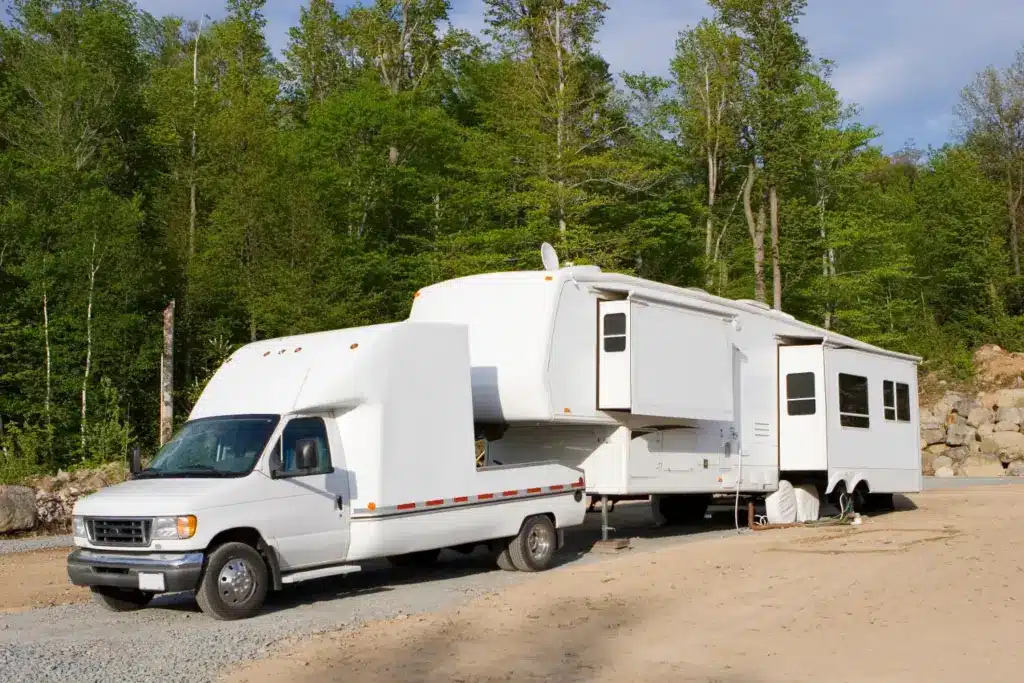
Not every RV is designed for winter use. Some units carry four-season or arctic packages with heated and enclosed underbellies, extra insulation and thermal-pane windows. Others are three-season units meant for spring through fall. Check your owner’s manual or ask your dealer what temperatures your RV is rated for, and be realistic about how it will handle extended cold.
If you have winterized the plumbing, decide before you leave whether you will camp “dry,” using bottled water and campground washrooms, or de-winterize and run the water system. Dry camping is often the simplest option for a short trip in a three-season unit.
5. RV tip: Protect your water lines and holding tanks
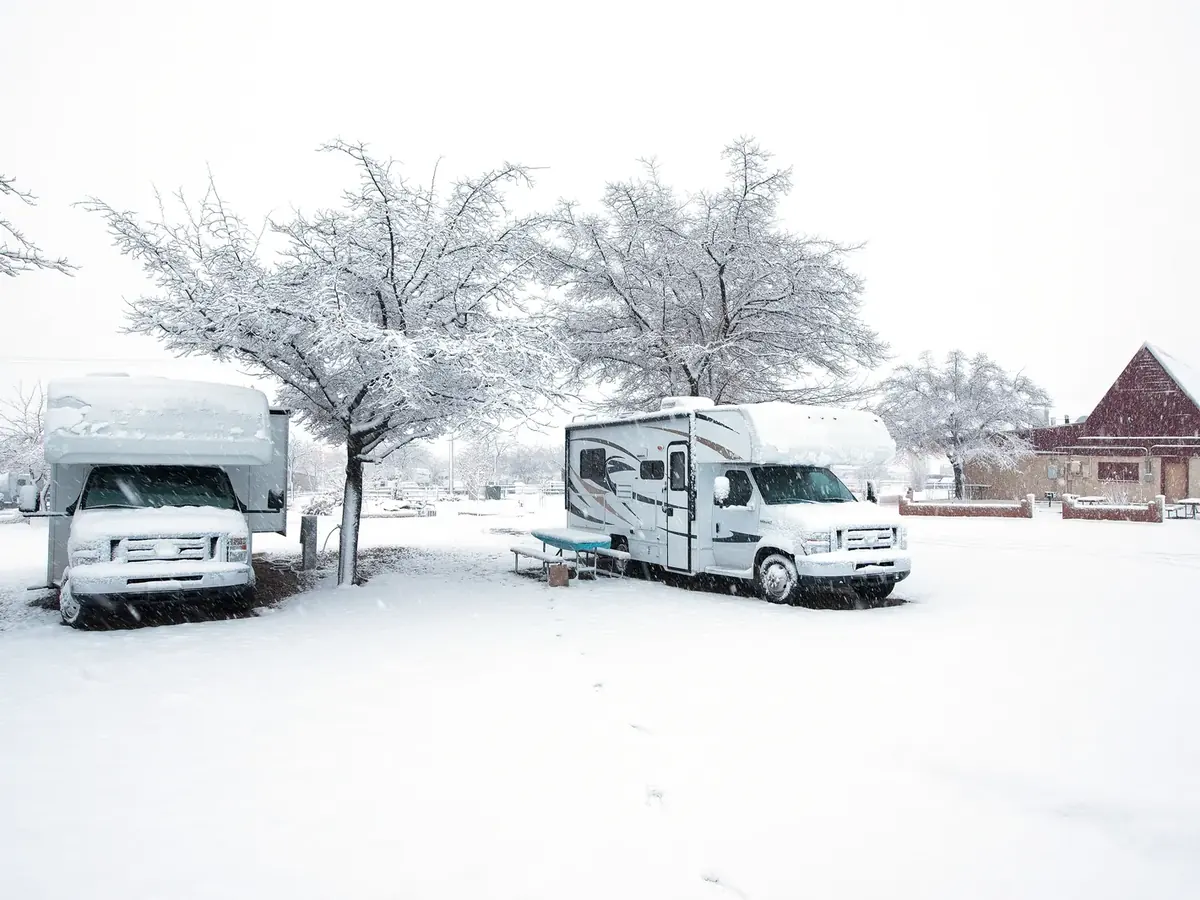
If you are using water on board, freezing is your biggest risk. Fill the fresh-water tank and disconnect the outside hose, or use a heated water hose rated for the conditions. Tank heaters and heat tape, where installed, are worth running. Some owners open cabinet doors under sinks so warm cabin air can reach the plumbing.
Keep the grey and black tank valves closed until you are ready to dump, rather than leaving them open to a sewer connection where liquid can freeze in the hose. Many owners add a small amount of RV-rated, non-toxic antifreeze to the holding tanks to help prevent freezing. Follow your manufacturer’s guidance, and never use automotive antifreeze anywhere in an RV water system.
6. RV tip: Plan your propane carefully
Your furnace works hard in the cold, and propane can run out much faster than it does in summer. Start every winter trip with full cylinders, know roughly how much your furnace uses, and bring a spare if you can do so safely. Find out ahead of time where you can refill near your destination.
Propane also struggles in extreme cold. As temperatures drop, the gas does not vaporize as well, and appliances may run poorly or not at all in a deep freeze. Larger cylinders tend to perform better than small ones. Check that propane regulators and vents are clear of ice and snow.
7. RV tip: Make safety alarms non-negotiable
A closed-up RV with the furnace running is exactly where carbon monoxide and propane alarms matter most. Test your CO, propane and smoke alarms before the trip and make sure their batteries are fresh. Keep furnace and appliance exhaust openings clear of snowbanks, which can build up quickly overnight.
Never use a stove or oven to heat your RV, and never run a generator in an enclosed space or where its exhaust can drift into the rig or a neighbour’s. If you use a portable electric heater on shore power, choose one with tip-over and overheat protection, keep it clear of bedding and curtains, and do not overload the circuit.
8. RV tip: Manage condensation
People breathe, cook and shower, and all that moisture ends up on the coldest surfaces: windows, walls and the inside of cabinets. Left alone, it can lead to frost, dripping and eventually mould. Crack a roof vent or window slightly, run the range hood and bathroom fans, and wipe down windows each morning. A small dehumidifier can help if you have power. Ventilation also matters for safety, so do not seal the rig up completely.
9. RV tip: Hold in the heat
Small changes add up. Insulated vent cushions, reflective window covers and heavier curtains reduce heat loss. Some owners use skirting around the base of the RV to block wind under the floor. A rug over a cold floor makes a surprising difference. Keep slide-outs and doors open only as long as you need to, and check that the seals are in good shape before you leave home.
10. RV tip: Look after your batteries and power
Cold reduces battery capacity, while long nights and the furnace fan increase demand. If you are camping off-grid, start with fully charged batteries and limit unnecessary loads. Solar panels produce less in short, low-sun winter days and stop working altogether under snow. Check whether your batteries have temperature limits for charging, especially lithium batteries, and follow the manufacturer’s recommendations.
11. Drive and set up with winter in mind
Make sure your tow vehicle or motorhome is ready for winter roads, with good tires, working lights and a full tank of fuel. Pack an emergency kit with a shovel, traction aids, booster cables, a flashlight, warm blankets, water and snacks. Arrive with daylight to spare so you can level, chock and set up without rushing. Brush snow off the roof and slide toppers when it is safe to do so, and never climb onto an icy RV roof.
After the trip: re-winterize before storage
If you de-winterized the plumbing for your trip, the job is not done when you get home. Before your RV goes back into storage, drain the tanks, protect the water system again and dry out the interior. Leftover moisture from a winter trip can turn into frost and mildew after a few weeks parked. If you are unsure about your RV’s setup, have a qualified RV technician take care of it.
Easy access makes winter trips easier
One of the best things about storing close to home is being able to grab your RV when a perfect winter weekend comes along. Heatherdown RV Storage & Repair, on Heatherdown Road near Onoway, offers a fenced, alarmed and monitored storage compound with seven-day access from 6:00 a.m. to 9:00 p.m. We serve RV, trailer and boat owners from Stony Plain, Spruce Grove, Lac Ste. Anne County and the surrounding area.
Looking for a spot for your RV this winter? Call 780-967-2667 or send us a message to ask about availability and current storage terms.
General guidance only. Always follow the instructions supplied by your RV, appliance, heater and battery manufacturers, and check campground and road conditions before you travel.